
Contents
- 🌱 Introduction to Gardening
- 🌿 Choosing the Right Location
- 🌻 Selecting Plants and Seeds
- 🌺 Preparing the Soil
- 🌴 Building Garden Beds
- 💧 Watering and Irrigation
- 🐝 Pest Control and Maintenance
- 📈 Monitoring Progress and Troubleshooting
- 🌼 Expanding Your Garden
- 🌻 Advanced Gardening Techniques
- 🌺 Gardening for Specific Climates
- 🌴 Conclusion and Future Plans
- Frequently Asked Questions
- Related Topics
Overview
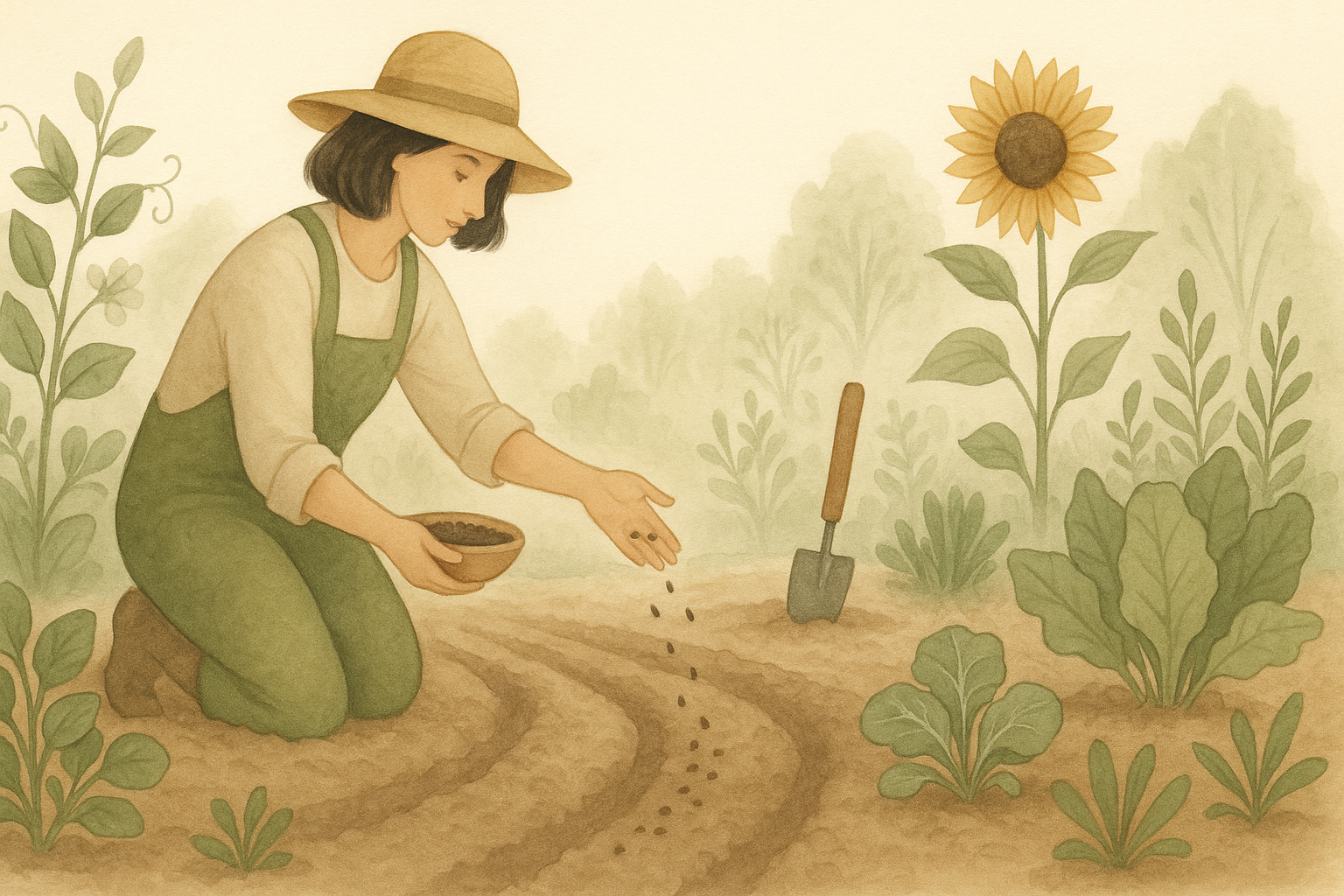
Starting a garden can be a daunting task, especially for those new to the world of horticulture. However, with the right guidance, anyone can turn their outdoor space into a thriving oasis. The first step in starting a garden is to choose the right location, considering factors such as sunlight, soil quality, and water accessibility. According to a study by the National Gardening Association, 77% of households in the United States participate in some form of gardening, with the average American spending around 2.5 hours per week tending to their garden. With the rise of urban gardening, innovators like Ron Finley, who has been dubbed the 'Gangsta Gardener,' are inspiring a new generation of gardeners to take control of their food supply. As the world becomes increasingly aware of the importance of sustainability, starting a garden can be a powerful way to reduce one's carbon footprint and promote environmental stewardship. With a vibe score of 8, the gardening community is known for its optimism and enthusiasm, but also faces challenges such as climate change and soil degradation, which can impact crop yields and garden sustainability. For instance, a report by the Intergovernmental Panel on Climate Change (IPCC) found that climate change can lead to a 2% decline in crop yields per decade, highlighting the need for gardeners to adapt to changing environmental conditions.
🌱 Introduction to Gardening
Welcome to the world of gardening, where you can cultivate your own fruits, vegetables, and flowers. As a beginner, it's essential to start with the basics, such as understanding the basics of gardening and the benefits of gardening. Gardening can be a fun and rewarding hobby, providing an opportunity to connect with nature and grow your own food. To get started, you'll need to choose the right location for your garden, considering factors such as sunlight, soil quality, and accessibility. You can learn more about choosing the right location and preparing your soil to ensure a successful harvest.
🌿 Choosing the Right Location
When choosing the right location for your garden, consider the amount of sunlight your plants will receive. Most plants require at least six hours of direct sunlight per day, so it's essential to choose a location that receives adequate sunlight. You should also consider the soil quality, as well as the accessibility of the location. A garden that is easy to access will make it more enjoyable to maintain and harvest. You can learn more about soil quality and garden accessibility to ensure your garden thrives. Additionally, you can explore container gardening and vertical gardening options if you have limited space.
🌻 Selecting Plants and Seeds
Selecting the right plants and seeds for your garden is crucial to its success. You'll need to consider factors such as climate, soil type, and the amount of sunlight your plants will receive. You can choose from a variety of plants, including vegetables, fruit trees, and flowers. It's also essential to select high-quality seeds that are suitable for your climate and soil type. You can learn more about seed selection and plant care to ensure your plants thrive. Furthermore, you can explore companion planting and crop rotation techniques to optimize your garden's growth.
🌺 Preparing the Soil
Preparing the soil is one of the most critical steps in starting a garden. You'll need to test the pH level of your soil and adjust it if necessary. You should also add organic matter such as compost or manure to improve the soil's structure and fertility. Additionally, you can learn about soil testing and soil amendments to optimize your soil's quality. It's also essential to consider mulching and cover cropping techniques to retain moisture and suppress weeds. You can explore organic gardening methods to create a sustainable and eco-friendly garden.
🌴 Building Garden Beds
Building garden beds is a crucial step in creating a thriving garden. You can choose from a variety of materials, including wood, metal, and plastic. It's essential to consider the size and depth of your garden beds, as well as the drainage and aeration of the soil. You can learn more about garden bed design and garden bed construction to create a functional and attractive garden. Additionally, you can explore raised bed gardening and keyhole gardening options to optimize your garden's space and accessibility.
💧 Watering and Irrigation
Watering and irrigation are critical components of garden maintenance. You'll need to consider the water requirements of your plants and ensure that they receive adequate moisture. You can learn more about watering techniques and irrigation systems to optimize your garden's water usage. It's also essential to consider drip irrigation and soaker hoses to reduce water waste and promote healthy plant growth. Furthermore, you can explore rainwater harvesting and grey water systems to create a sustainable and water-efficient garden.
🐝 Pest Control and Maintenance
Pest control and maintenance are essential components of garden care. You'll need to monitor your plants regularly for signs of pests or diseases and take action promptly to prevent infestations. You can learn more about integrated pest management and organic pest control to create a sustainable and eco-friendly garden. Additionally, you can explore companion planting and crop rotation techniques to optimize your garden's growth and reduce pest pressure. It's also essential to consider pruning techniques and garden sanitation to promote healthy plant growth and prevent disease.
📈 Monitoring Progress and Troubleshooting
Monitoring progress and troubleshooting are critical components of garden maintenance. You'll need to track the growth and development of your plants, as well as identify any potential problems or issues. You can learn more about garden journaling and plant monitoring to optimize your garden's growth and identify potential problems. Additionally, you can explore common garden problems and garden troubleshooting techniques to address any issues that may arise. It's also essential to consider garden record keeping and garden planning to create a successful and thriving garden.
🌼 Expanding Your Garden
Expanding your garden is an exciting step in your gardening journey. You can consider adding new plants, building new garden beds, or exploring different gardening techniques. You can learn more about garden expansion and garden renovation to create a thriving and diverse garden. Additionally, you can explore permaculture and regenerative gardening techniques to optimize your garden's ecosystem and promote biodiversity. It's also essential to consider garden budgeting and garden prioritization to ensure that your garden remains sustainable and manageable.
🌻 Advanced Gardening Techniques
Advanced gardening techniques can help you take your garden to the next level. You can explore techniques such as hydroponics, aquaponics, and biodynamics to create a highly productive and sustainable garden. Additionally, you can learn about garden design and garden architecture to create a beautiful and functional garden. It's also essential to consider garden technology and garden innovation to stay up-to-date with the latest gardening trends and techniques.
🌺 Gardening for Specific Climates
Gardening for specific climates requires careful consideration of the unique conditions and challenges of your region. You can learn more about tropical gardening, desert gardening, and temperate gardening to create a thriving garden in your local climate. Additionally, you can explore climate-resilient gardening and sustainable gardening techniques to promote ecosystem services and mitigate the impacts of climate change. It's also essential to consider garden adaptation and garden resilience to ensure that your garden remains productive and thriving in the face of climate uncertainty.
🌴 Conclusion and Future Plans
In conclusion, starting a garden requires careful planning, attention to detail, and a willingness to learn and adapt. By following the tips and techniques outlined in this guide, you can create a thriving and sustainable garden that provides you with fresh produce, beautiful flowers, and a sense of connection to nature. Remember to stay curious, keep learning, and always be open to new ideas and techniques. You can explore garden communities and garden networks to connect with other gardeners, share knowledge, and stay inspired. Happy gardening!
Key Facts
- Year
- 2022
- Origin
- Vibepedia.wiki
- Category
- Horticulture
- Type
- How-to Guide
- Format
- how-to
Frequently Asked Questions
What is the best way to get started with gardening?
The best way to get started with gardening is to begin with the basics, such as understanding the benefits of gardening and choosing the right location for your garden. You can learn more about gardening 101 and choosing the right location to ensure a successful harvest. Additionally, you can explore container gardening and vertical gardening options if you have limited space.
How often should I water my plants?
The frequency of watering your plants depends on the type of plants, climate, and soil quality. You can learn more about watering techniques and irrigation systems to optimize your garden's water usage. It's also essential to consider drip irrigation and soaker hoses to reduce water waste and promote healthy plant growth.
What are some common garden pests and how can I control them?
Common garden pests include aphids, whiteflies, and spider mites. You can learn more about integrated pest management and organic pest control to create a sustainable and eco-friendly garden. Additionally, you can explore companion planting and crop rotation techniques to optimize your garden's growth and reduce pest pressure.
How can I improve the soil quality in my garden?
You can improve the soil quality in your garden by adding organic matter such as compost or manure, and by using soil testing and soil amendments to optimize your soil's quality. It's also essential to consider mulching and cover cropping techniques to retain moisture and suppress weeds. You can explore organic gardening methods to create a sustainable and eco-friendly garden.
What are some advanced gardening techniques I can try?
Advanced gardening techniques include hydroponics, aquaponics, and biodynamics. You can learn more about these techniques and explore garden design and garden architecture to create a beautiful and functional garden. It's also essential to consider garden technology and garden innovation to stay up-to-date with the latest gardening trends and techniques.
How can I make my garden more sustainable and eco-friendly?
You can make your garden more sustainable and eco-friendly by using rainwater harvesting and grey water systems, and by exploring permaculture and regenerative gardening techniques to optimize your garden's ecosystem and promote biodiversity. Additionally, you can consider garden budgeting and garden prioritization to ensure that your garden remains sustainable and manageable.
What are some common mistakes to avoid when starting a garden?
Common mistakes to avoid when starting a garden include not choosing the right location, not preparing the soil properly, and not providing adequate water and nutrients. You can learn more about garden planning and garden design to create a successful and thriving garden. Additionally, you can explore garden record keeping and garden troubleshooting techniques to address any issues that may arise.