
Contents
- 🌎 Introduction to Grey Water Systems
- 💧 What is Grey Water?
- 🚽 Sources of Grey Water
- 🌿 Treatment and Reuse of Grey Water
- 📊 Benefits of Grey Water Systems
- 🚧 Design and Implementation of Grey Water Systems
- 🌈 Case Studies of Successful Grey Water Systems
- 🚨 Challenges and Limitations of Grey Water Systems
- 💡 Future Directions for Grey Water Systems
- 🌐 Global Applications of Grey Water Systems
- 📝 Conclusion and Recommendations
- Frequently Asked Questions
- Related Topics
Overview
Grey water systems, which involve the reuse of wastewater generated from domestic activities like bathing, washing, and cleaning, have been around since the 1970s, with pioneers like Peter Coombes advocating for their implementation. From a technical standpoint, grey water systems work by diverting wastewater from sinks, showers, and washing machines into separate plumbing, treating it through physical, chemical, or biological processes, and then reusing it for irrigation, toilet flushing, or other non-potable purposes. However, the adoption of grey water systems has been hindered by concerns over water quality, public health, and regulatory frameworks. Despite these challenges, grey water systems have been successfully implemented in various parts of the world, such as Australia, where they are estimated to save up to 40% of potable water. With the global water crisis worsening, grey water systems are gaining attention as a viable solution, with companies like Grey Water Systems Australia and the Grey Water Action Group promoting their use. As the world moves towards more sustainable practices, the future of grey water systems looks promising, with potential applications in urban agriculture, industrial processes, and even space exploration, with NASA exploring the use of grey water systems for its future missions.
🌎 Introduction to Grey Water Systems
Grey water systems are an innovative approach to wastewater management, offering a sustainable solution for water conservation. As the world grapples with the challenges of climate change, water scarcity, and environmental degradation, grey water systems have emerged as a vital component of environmental engineering. By reusing grey water, we can reduce the demand on potable water supplies, decrease the amount of wastewater generated, and create a more water-resilient future. According to the World Health Organization, grey water reuse can help alleviate water stress in areas where water resources are limited. The concept of grey water systems is closely related to sustainable development and green infrastructure.
💧 What is Grey Water?
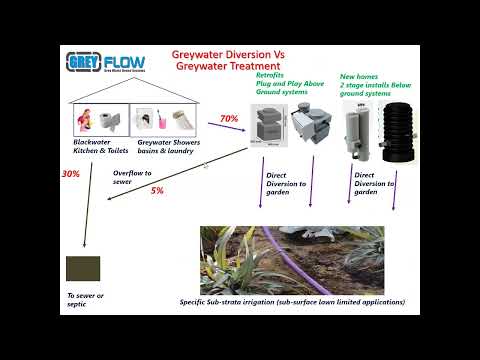
Grey water refers to the wastewater generated from domestic activities such as showers, baths, sinks, and washing machines. It is distinct from black water, which is the wastewater generated from toilets and contains high levels of pathogens and nutrients. Grey water, on the other hand, is relatively clean and can be reused for various non-potable purposes such as irrigation, toilet flushing, and construction. The Environmental Protection Agency estimates that grey water accounts for approximately 50-80% of the total wastewater generated in a typical household. Grey water systems are an essential component of water conservation and wastewater management strategies. The use of grey water systems can also contribute to energy efficiency and green building practices.
🚽 Sources of Grey Water
The primary sources of grey water are residential, commercial, and industrial establishments. In residential areas, grey water is generated from kitchens, laundry facilities, and bathrooms. In commercial establishments, grey water is generated from restaurants, hotels, and office buildings. Industrial establishments such as textile mills and food processing plants also generate significant amounts of grey water. The United Nations estimates that the global population will reach 9.7 billion by 2050, putting immense pressure on water resources. Grey water systems can play a crucial role in mitigating this pressure by promoting water reuse and water recycling. The implementation of grey water systems can also support sustainable agriculture and urban planning practices.
🌿 Treatment and Reuse of Grey Water
The treatment and reuse of grey water involve a series of physical, chemical, and biological processes. The first step is to collect and store the grey water in a storage tank. The grey water is then treated using various methods such as sedimentation, filtration, and disinfection. The treated grey water can be reused for various purposes such as irrigation, toilet flushing, and construction. The World Bank estimates that the global market for grey water systems will reach $1.4 billion by 2025. Grey water systems can also contribute to climate change mitigation and biodiversity conservation. The use of grey water systems can support ecosystem services and human health by reducing the amount of wastewater discharged into the environment.
📊 Benefits of Grey Water Systems
The benefits of grey water systems are numerous and well-documented. By reusing grey water, we can reduce the demand on potable water supplies, decrease the amount of wastewater generated, and create a more water-resilient future. Grey water systems can also help reduce the energy required for water treatment and water distribution. The National Science Foundation estimates that grey water systems can reduce energy consumption by up to 30%. Additionally, grey water systems can help reduce the amount of greenhouse gas emissions generated by the water sector. Grey water systems are an essential component of sustainable development and green infrastructure. The implementation of grey water systems can support urban sustainability and rural development practices.
🚧 Design and Implementation of Grey Water Systems
The design and implementation of grey water systems require careful planning and consideration of various factors such as water quality, system cost, and maintenance requirements. The first step is to conduct a thorough water audit to determine the amount of grey water generated and the potential uses for the treated grey water. The next step is to design the grey water system, taking into account factors such as storage tank size, treatment process, and distribution system. The American Society of Civil Engineers estimates that the global demand for grey water systems will increase by 20% by 2030. Grey water systems can be designed to serve a single household or an entire community. The use of grey water systems can support community development and social equity by providing access to clean water and sanitation.
🌈 Case Studies of Successful Grey Water Systems
There are many successful case studies of grey water systems around the world. For example, the city of Sydney in Australia has implemented a large-scale grey water system that treats and reuses over 10 million liters of grey water per day. Similarly, the city of Singapore has implemented a grey water system that treats and reuses over 50% of the city's grey water. The United States Environmental Protection Agency estimates that grey water systems can reduce the amount of wastewater discharged into the environment by up to 50%. These case studies demonstrate the effectiveness and feasibility of grey water systems in reducing the demand on potable water supplies and decreasing the amount of wastewater generated. Grey water systems can support environmental education and community engagement by promoting water conservation and sustainability practices.
🚨 Challenges and Limitations of Grey Water Systems
Despite the many benefits of grey water systems, there are also several challenges and limitations that need to be addressed. One of the main challenges is the high upfront cost of implementing a grey water system, which can be a barrier for many households and communities. Another challenge is the lack of awareness and education about grey water systems and their benefits. The World Wildlife Fund estimates that the global water crisis will affect over 5 billion people by 2050. Grey water systems can play a crucial role in mitigating this crisis by promoting water reuse and water recycling. Additionally, grey water systems require regular maintenance and monitoring to ensure that the treated grey water is safe for reuse. The use of grey water systems can support disaster risk reduction and climate change adaptation by providing a reliable source of water during emergencies.
💡 Future Directions for Grey Water Systems
The future of grey water systems looks promising, with many countries and cities around the world investing in grey water infrastructure. The International Energy Agency estimates that the global market for grey water systems will reach $2.5 billion by 2030. One of the key trends in grey water systems is the use of decentralized systems, which allow for the treatment and reuse of grey water at the household or community level. Another trend is the use of advanced treatment technologies, such as membrane bioreactors and nanofiltration, which can produce high-quality treated grey water. Grey water systems can support sustainable cities and green economy by promoting water conservation and reducing the amount of wastewater generated.
🌐 Global Applications of Grey Water Systems
Grey water systems have a wide range of applications around the world, from residential areas to commercial establishments and industrial establishments. In developing countries, grey water systems can provide a vital source of water for irrigation and drinking water. In developed countries, grey water systems can help reduce the demand on potable water supplies and decrease the amount of wastewater generated. The Food and Agriculture Organization estimates that grey water systems can increase crop yields by up to 20%. Grey water systems can also support rural development and poverty reduction by providing access to clean water and sanitation.
📝 Conclusion and Recommendations
In conclusion, grey water systems are a vital component of environmental engineering and sustainable development. By reusing grey water, we can reduce the demand on potable water supplies, decrease the amount of wastewater generated, and create a more water-resilient future. As the world continues to grapple with the challenges of climate change, water scarcity, and environmental degradation, grey water systems will play an increasingly important role in promoting water conservation and sustainable development. The use of grey water systems can support human health and ecosystem services by reducing the amount of wastewater discharged into the environment.
Key Facts
- Year
- 1970
- Origin
- Australia
- Category
- Environmental Engineering
- Type
- Technology
Frequently Asked Questions
What is grey water?
Grey water refers to the wastewater generated from domestic activities such as showers, baths, sinks, and washing machines. It is distinct from black water, which is the wastewater generated from toilets and contains high levels of pathogens and nutrients. Grey water is relatively clean and can be reused for various non-potable purposes such as irrigation, toilet flushing, and construction.
What are the benefits of grey water systems?
The benefits of grey water systems are numerous and well-documented. By reusing grey water, we can reduce the demand on potable water supplies, decrease the amount of wastewater generated, and create a more water-resilient future. Grey water systems can also help reduce the energy required for water treatment and water distribution, and can help reduce the amount of greenhouse gas emissions generated by the water sector.
How do grey water systems work?
Grey water systems involve the collection, treatment, and reuse of grey water. The first step is to collect and store the grey water in a storage tank. The grey water is then treated using various methods such as sedimentation, filtration, and disinfection. The treated grey water can be reused for various purposes such as irrigation, toilet flushing, and construction.
What are the challenges and limitations of grey water systems?
Despite the many benefits of grey water systems, there are also several challenges and limitations that need to be addressed. One of the main challenges is the high upfront cost of implementing a grey water system, which can be a barrier for many households and communities. Another challenge is the lack of awareness and education about grey water systems and their benefits. Additionally, grey water systems require regular maintenance and monitoring to ensure that the treated grey water is safe for reuse.
What is the future of grey water systems?
The future of grey water systems looks promising, with many countries and cities around the world investing in grey water infrastructure. One of the key trends in grey water systems is the use of decentralized systems, which allow for the treatment and reuse of grey water at the household or community level. Another trend is the use of advanced treatment technologies, such as membrane bioreactors and nanofiltration, which can produce high-quality treated grey water.
What are the global applications of grey water systems?
Grey water systems have a wide range of applications around the world, from residential areas to commercial establishments and industrial establishments. In developing countries, grey water systems can provide a vital source of water for irrigation and drinking water. In developed countries, grey water systems can help reduce the demand on potable water supplies and decrease the amount of wastewater generated. Grey water systems can also support rural development and poverty reduction by providing access to clean water and sanitation.
How can grey water systems support sustainable development?
Grey water systems can support sustainable development by promoting water conservation, reducing the amount of wastewater generated, and creating a more water-resilient future. Grey water systems can also help reduce the energy required for water treatment and water distribution, and can help reduce the amount of greenhouse gas emissions generated by the water sector. Additionally, grey water systems can support rural development and poverty reduction by providing access to clean water and sanitation.