
Summary
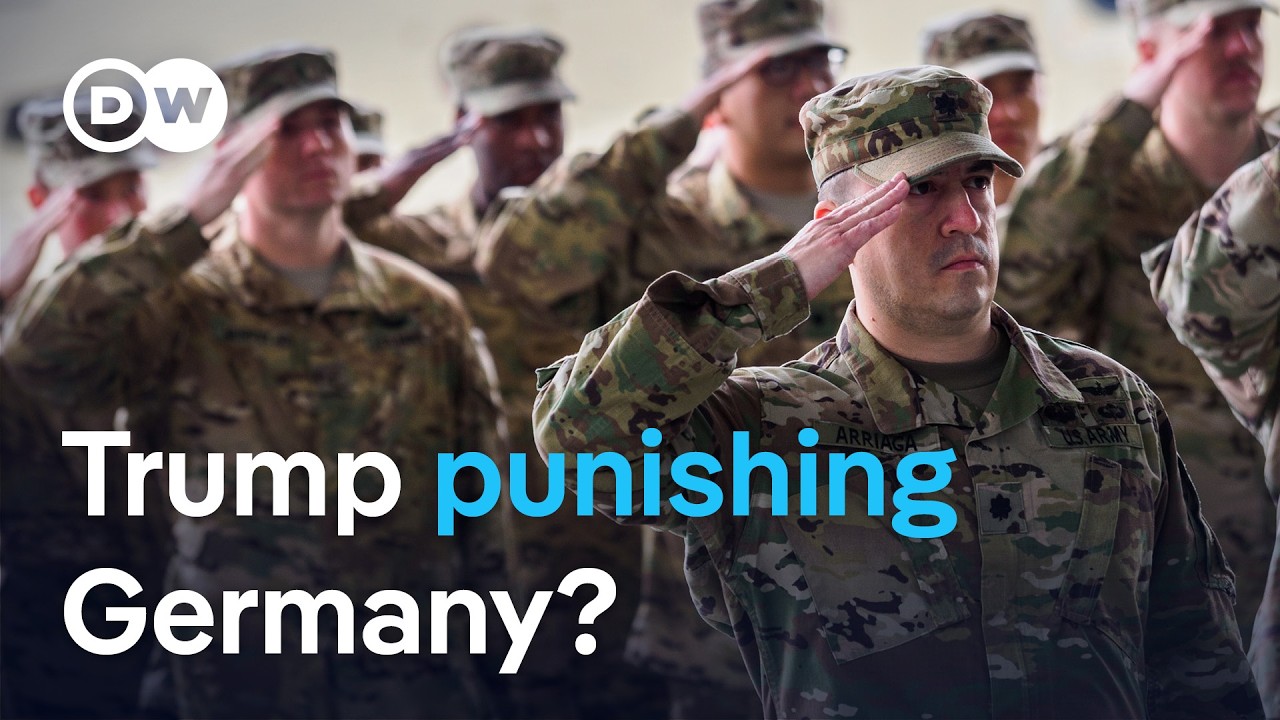
The **U.S. Pentagon** announced plans to withdraw approximately **5,000 troops** from **Germany** within the next six to twelve months. This significant troop reduction, detailed in a Friday announcement, fulfills a directive from President [President's Name - *Note: The provided snippet is incomplete and doesn't name the President, which is a critical omission for a full analysis. Assuming it refers to the sitting President at the time of the announcement.*]. The move signals a potential realignment of U.S. military posture in Europe, raising questions about its impact on **NATO**'s collective security and the long-standing U.S.-German alliance. This drawdown could influence regional stability and the broader geopolitical landscape in Europe.
Key Takeaways
- The U.S. plans to withdraw 5,000 troops from Germany within 6-12 months.
- The withdrawal fulfills a presidential directive, signaling a potential shift in U.S. military posture in Europe.
- The move raises questions about the future strength of the U.S.-German alliance and NATO's collective security.
- The strategic rationale beyond the presidential directive requires further clarification.
- This drawdown could impact regional stability and the broader geopolitical landscape in Europe.
Balanced Perspective
The Pentagon's decision to withdraw 5,000 troops from Germany is a concrete action with stated timelines. The exact reasons for the drawdown, beyond fulfilling a presidential directive, remain to be fully elaborated by defense officials. The implications for **NATO**'s operational capacity and the U.S.'s long-term strategic commitment to the European continent are significant and warrant close observation as the withdrawal unfolds over the next year.
Optimistic View
This troop reduction could represent a strategic recalibration, allowing the U.S. to redeploy forces to more critical theaters or enhance readiness elsewhere. It might also encourage **Germany** and other European allies to increase their own defense spending and capabilities, fostering greater **NATO** self-reliance and burden-sharing. The move could be seen as a pragmatic adjustment to evolving global threats, rather than a weakening of commitment to European security.
Critical View
This withdrawal could be interpreted as a weakening of the U.S. commitment to European security, potentially emboldening adversaries and creating a vacuum that Russia might seek to exploit. It risks undermining **NATO** cohesion and signaling a diminished U.S. focus on the continent, which could strain relations with key allies like **Germany**. The reduction of U.S. forces might also necessitate a costly and complex repositioning of allied troops, impacting readiness and operational effectiveness.
Source
Originally reported by PBS